

Table of Contents
- Why Do Outdoor Jackets Wear Out So Fast?
- How Long Do Waterproof Jackets Last?
- Why Rain Jackets Wet Out: DWR, Skin Oils, and Sweat
- Abrasion and Everyday Wear: What Really Breaks Your Jacket
- How to Wash a Waterproof Jacket (Without Damaging It)
- How to Restore DWR on a Rain Jacket
- Repair, Replace, or Retire: A Practical Decision Guide
- Conclusion: Get More Seasons Out of Your Jacket
- Frequently Asked Questions
Last Updated: October 5, 2026
Why Do Outdoor Jackets Wear Out So Fast?
Most outdoor jackets don't fail from one dramatic event. They fail slowly, from the inside out, usually from everyday habits you don't think about.
At Dusty Gear Co, we hear from plenty of folks frustrated that a good jacket started leaking after two seasons. The truth: jackets wear out fast because three layers break down at three different speeds. Fix one and ignore the others, and the jacket still fails.
The Three Layers That Fail at Different Rates
Every waterproof jacket is built from layers that do different jobs and wear out on their own timelines.
- Face fabric: The outer shell you can see and touch. It takes all the abrasion from pack straps, branches, and rock.
- Waterproof membrane: The thin inner layer that actually blocks water. It can crack, clog, or delaminate over time.
- Durable water repellent (DWR) finish: The coating on the face fabric that makes rain bead up and roll off.
The DWR finish usually goes first, worn off by dirt, oils, and friction within a season of regular use. The membrane lasts longer but can fail if the jacket is stored wet or washed with the wrong detergent. The face fabric is toughest, but abrasion at shoulders and cuffs eventually thins it out.
How Long Do Waterproof Jackets Last?
There's no single lifespan for a waterproof jacket, because it's really four components aging on four clocks.
Realistic service windows by component, assuming regular use and reasonable care:
- DWR finish: One season of regular use, sometimes less if you wear sunscreen or sweat heavily against the collar. This is a wear item, not a defect.
- Face fabric: Three to five years before abrasion in high-friction zones visibly thins the weave. Heavier denier fabrics push this longer.
- Waterproof membrane: Five to ten years if the jacket is washed regularly and never stored wet or dirty. Membrane failure is usually a care problem, not a use problem.
A jacket can be "dead" for one purpose and fine for another. A shell with a blown DWR but intact membrane is still waterproof, it just needs a wash and reproof. A shell with a delaminated membrane is done, no matter how good the face fabric looks.
Normal Aging vs. Defect vs. Care Problem
Most people can't tell these three apart, so they either toss a fixable jacket or keep wearing a failed one:
- Normal aging: DWR stops beading after a season, cuffs and hem fray, zipper pulls get stiff. Expected. Fixable with care.
- Defect: A seam leaks on a jacket that's never been washed wrong or stored wet, or the membrane delaminates within the first year of light use. That's a warranty conversation, not a care problem.
- Care problem: Membrane delamination after years of storing the jacket damp, or a jacket that wets out because it's never been washed. The jacket didn't fail, the routine did.
A common pattern: a jacket wets out after two seasons and gets blamed on "cheap materials." Usually the DWR is just dirty and the membrane is fine. Wash and reproof it, and it performs like new.
Measurable Signs of Failure
You don't have to guess whether your jacket is dying. Count how many of these signs you see:
- Water stops beading and the fabric looks soaked on the surface (wetting out)
- You feel clammy inside even when it's not raining hard
- Seam tape is peeling or lifting at the shoulders and hood
One or two usually means the jacket is fixable. Four or more, especially delamination or multiple seam failures, means it's time to retire it.
Why Rain Jackets Wet Out: DWR, Skin Oils, and Sweat
A rain jacket wets out when the DWR stops repelling water and the face fabric soaks through. It isn't leaking yet, but it feels cold, heavy, and clammy.
The number one cause of premature wetting out isn't rain. It's you.
- Skin oils from your neck, wrists, and hands migrate into the fabric and break down the DWR.
- Sunscreen is especially hard on DWR. The oils and chemicals in most sunscreens cling to fabric and kill water repellency fast.
- Sweat carries salts and oils that clog the spaces between fibers.
This is why a jacket that wets out often isn't worn out, just dirty. A proper wash restores most of the performance.
Never store a jacket dirty or damp. Oils and moisture work on the DWR and membrane the entire time it's sitting in the closet, so a jacket put away wet can come out next season already failing.
Abrasion and Everyday Wear: What Really Breaks Your Jacket
Abrasion is the silent killer of outdoor jackets. It doesn't show up in one moment but in the slow grind of pack straps, cuffs, and zippers rubbing the same spots thousands of times.
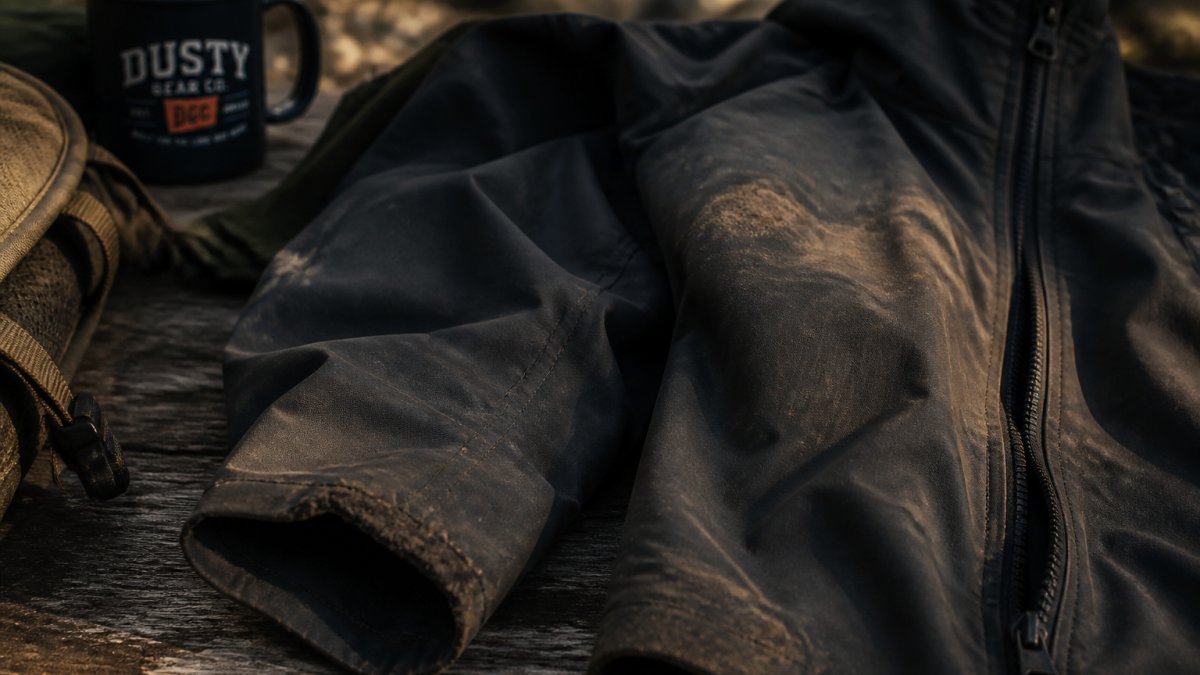
Three abrasion modes matter on a jacket:
- Two-body wear: A strap or rough surface rubs directly against the face fabric. This is what happens under a backpack shoulder strap or a seat belt.
- Three-body wear: Grit, sand, or dirt gets trapped between the fabric and whatever is rubbing it, turning the contact into sandpaper. This is why a gritty hip belt chews through a hem faster than a clean one.
- Flex fatigue: Repeated folding and unfolding at the same crease line, usually at the elbows, hood, and where the jacket stuffs into its own pocket. The fabric doesn't rub against anything, it just cracks from being bent the same way over and over.
The high-friction areas are predictable, each with a dominant wear mode:
- Shoulders: Two-body wear from backpack or sling straps. The strap edge is the culprit, not the strap face.
- Cuffs and forearms: Two- and three-body wear from brushing against brush, rock, and vehicle doors. Grit trapped in a cuff fold accelerates it.
- Hips and hem: Three-body wear from pack waist belts and sitting on rough surfaces. Sand and dirt in the belt channel do the damage.
Off-roaders and anglers see the fastest wear from vehicle interiors, boat gunwales, and gear. Hikers see it in the shoulders. Do any of those regularly, and expect your jacket to age faster than the label suggests.
How to Inspect for Early Wear
Abrasion wear is visible long before it leaks. Check these zones every few months:
- Hold the shoulder up to a lamp. A shiny, flattened patch means the face fabric weave is compressing.
- Run a fingernail lightly along the cuff edge. If fibers snag, the weave is breaking down.
- Look at the hem where the hip belt sits. Grit embedded in the fabric is a warning sign, not just dirt.
Catching wear at the shiny-patch stage means you can still reproof and keep going. At the frayed-edge stage, it usually means a repair or patch.
Reducing Abrasion Without Babying the Jacket
You don't have to baby the jacket. Just stop feeding the wear:
- Rinse grit out of cuffs and hems after dusty trips. Trapped grit is the single biggest accelerator of three-body wear.
- Loosen pack straps when you take the pack off instead of dragging the jacket out from under them.
- Avoid stuffing the jacket into its own pocket for storage. Hang it or lay it flat to prevent flex fatigue at the same crease.
How to Wash a Waterproof Jacket (Without Damaging It)
Washing a waterproof jacket is the single best thing you can do to extend its life, yet most people skip it for fear of ruining the coating. Done right, a wash restores performance.
Here's the process:
- Check the care label first. Follow whatever the manufacturer says. If the label says no machine wash, hand wash in cool water.
- Empty all pockets and close all zippers and flaps. This protects the zipper coating and prevents snags.
- Use a technical wash or mild liquid detergent. No fabric softener, no bleach, no powdered detergent. Those leave residues that block breathability.
- Wash on a gentle cycle with warm water. A second rinse cycle helps flush out detergent.
- Skip the dryer unless the label allows it. Some jackets benefit from low heat to reactivate the DWR, but check first.
The FTC's care labeling requirements explain why the label is the final word here. If the tag says one thing and a blog says another, trust the tag.
Wash your jacket more often than you think you should. A clean jacket repels water better than a dirty one, and regular washing prevents the oils and dirt that quietly destroy DWR. Once a season of regular use is a good baseline.
How to Restore DWR on a Rain Jacket
You restore DWR by washing first, applying a spray-on or wash-in repellent, then reactivating with heat if the label allows.
Order matters. Applying DWR over a dirty jacket seals in the oils that caused the problem. Wash first, always.
Two main options for reproofing:
- Spray-on DWR: Easier to control where it goes, good for targeting high-wear zones.
- Wash-in DWR: Covers the whole jacket evenly, better for a full refresh.
Most treatments need heat to activate: a low tumble dry or a warm iron over a towel, but only if the label permits heat.
Reproofing won't fix a torn membrane or peeling seam tape. It only restores surface repellency.
Repair, Replace, or Retire: A Practical Decision Guide
Use this decision tree for a failing jacket.
| Symptom | Likely Cause | Action |
|---|---|---|
| Water soaks in, no leaks inside | DWR worn out | Wash and reproof |
| Damp feeling inside, no visible leak | Wetting out or breathability blocked | Wash, reproof, test again |
| Water comes through a seam | Seam tape failure | Repair with seam tape or replace |
| Bubbling or separation inside | Membrane delamination | Retire the jacket |
| Frayed cuffs and hem only | Abrasion wear | Repair or keep using |
| Multiple failures at once | End of lifespan | Replace |
Rule of thumb: if the fix costs more than a third of a new jacket and it's past three seasons, replace it. A single seam or a worn DWR is almost always worth repairing and reproofing.
This is where quality shows up. A jacket with a durable face fabric and a well-bonded membrane survives more wash-and-reproof cycles before it gives out, the difference between two seasons and five.
Conclusion: Get More Seasons Out of Your Jacket
The frustrating truth: most outdoor jackets don't wear out from hard use. They wear out from skipped washes, closet dirt, and abrasion in the same three spots.
At Dusty Gear Co, we build gear for people who stay outside longer, from hiking and fishing to off-roading. Our veteran-owned brand focuses on durable, UPF-rated apparel made to handle real wear, plus free shipping on orders over $120.
Frequently Asked Questions
Why do outdoor jackets wear out so fast?
Most jackets fail because of three separate breakdowns: the DWR finish stops repelling water, the face fabric abrades from pack straps and friction, and the waterproof membrane or seam tape eventually delaminates. Skin oils, sunscreen, and sweat speed up DWR failure. Washing and reproofing regularly can add seasons of life before the membrane itself gives out.
How long should a waterproof jacket last?
A well-made waterproof jacket typically lasts 3 to 5 years of regular use, but heavy wear from backpack straps, off-roading, or daily wear can cut that to 1 to 2 years. The membrane often outlasts the DWR finish and face fabric. If you wash and reproof on schedule, you extend the usable life well past the point where most people give up on a jacket.
Why does my rain jacket get wet inside?
A jacket that feels wet inside usually means moisture from your own sweat is not escaping, or the DWR has failed and the face fabric is soaking through. When the outer fabric wets out, breathability drops and condensation builds up. Washing the jacket and restoring the DWR finish often fixes the problem without replacing the jacket.
Does a jacket's waterproof membrane wear out?
Yes, but it is usually the last component to fail. Membranes break down from repeated flexing, abrasion, and contamination by oils and dirt. More often, the seam tape peels or the face fabric wears thin before the membrane itself leaks. If water comes through the fabric rather than the seams, the membrane is likely compromised and repair may not be worth it.